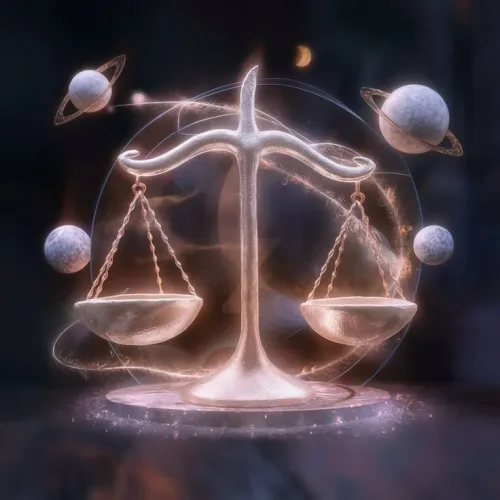
When exploring Libra's spirit animal symbolism, people frequently encounter conflicting interpretations: Some traditions insist on a single definitive animal, while others describe interchangeable avian symbols. Commercial astrology sources often portray these representations as universally fixed, and visual depictions can oversimplify complex archetypal meanings. This article separates popular assumptions from documented symbolic traditions, examining six evidence-based aspects—from astrological origins to cultural variations—to help you navigate these representations critically and identify balanced interpretations.
Many introductory sources present Libra's spirit animal as a fixed entity—often mentioning "the dove" or "the swan" without context. This oversimplification stems from visual culture where winged creatures neatly represent air signs, and from commercial astrology's tendency toward definitive categorization.
In reality, these animals function as metaphors rather than literal biological counterparts. The symbolism connects to Libra's air element through conceptual properties like mental agility and social equilibrium. Technical attributes show representations typically emphasize abstract qualities such as balance and relational awareness, never serving diagnostic or predictive functions.
When encountering spirit animal descriptions, prioritize two checks: First, verify whether the source references historical traditions or psychological frameworks. Second, examine if the animal's described traits directly correspond to known Libra qualities—intellectual diplomacy over instinctual behavior—to distinguish thoughtful interpretations from arbitrary assignments.
People often assume animal symbolism operates like biological taxonomy with rigid classifications. This misunderstanding arises when systems assign specific creatures to zodiac signs as if matching species to habitats.
A more accurate perspective views these symbols as dynamic metaphors. Air element representations highlight qualities like adaptability and communication through creatures associated with flight or weightlessness. For instance, doves may symbolize peacemaking because their behavior aligns with Libra's diplomatic nature—not because they biologically embody astrological forces. These depictions usually reference intellectual energy, a technical feature observable in archetypal descriptions across cultures.
To evaluate classification claims: Notice whether explanations emphasize behavioral parallels—like how ravens' problem-solving reflects mental acuity—versus magical attributes. Focus on documented connections between animal characteristics and Libra's core traits: fairness, social intelligence, and objective decision-making.

Modern depictions frequently present spirit animals through aesthetic visuals alone—winged creatures in elegant poses—implying appearance determines symbolic meaning. This visual bias occurs because imagery communicates faster than textual explanations.
Symbolic representations primarily convey conceptual attributes, with physical features illustrating abstract principles. Artistic choices like flowing forms or blue color schemes typically represent air's expansiveness, not inherent properties of any species. Technical analysis shows these depictions may incorporate scales as justice symbols or paired birds expressing balancing forces. What matters isn't the species shown, but how artistic elements mirror Libra's pursuit of harmony.
Apply this knowledge by examining symbolic consistency: Verify whether all elements—animal posture, colors, surrounding objects—collectively reinforce balance themes rather than isolated traits. For example, an eagle carrying scales integrates justice motifs better than a generic bird image. Note recurring patterns: Many traditions use mirrored compositions suggesting equilibrium.
A common confusion equates New Age interpretations with ancient doctrines, particularly when texts present culturally specific examples as universal truths. This blending happens through simplified retellings that omit contextual origins.
Historically, associations derive from diverse traditions: Greco-Roman mythology linked Libra to Astraea's scales while East Asian systems used different avians. Modern psychological frameworks reimagine these symbols as mental tools without supernatural claims. Evidence appears in source variations—technical documentation shows medieval manuscripts might feature owls for wisdom where Renaissance texts preferred swans for grace.
When researching sources: Distinguish original cultural contexts by noting geographic/time-period references. Check for cited texts versus vague assertions. Recognize that "spirit animal" terminologies often originate from contemporary syntheses, not primordial traditions.
People often expect spirit animal concepts to provide mystical advantages or personality definitions despite their symbolic nature. Market-driven content sometimes amplifies this by implying transformative personal benefits.
These symbols serve as reflective frameworks, not functional tools. Their primary value lies in helping individuals visualize balance during decision-making or conflict resolution. For example, contemplating a dove’s peacemaking tendency can encourage diplomatic solutions. Technical guidance confirms they represent abstract concepts, never guaranteeing outcomes or health advantages.
To use them constructively: Treat portrayals as thought experiments for evaluating relational dynamics instead of prescriptive guides. Before applying any interpretation, test whether it helps articulate core Libra themes—mediation, fairness, or intellectual clarity—without promising miraculous results.
The belief that symbols must remain static ignores how traditions evolve across societies. This rigidity often appears when sources dismiss legitimate cultural variations as "incorrect."
Actual practices show adaptable interpretations: African diasporic systems might associate Libra with hornbills for their balanced social dynamics, whereas European traditions frequently use cranes. Contemporary artists incorporate digital or abstract representations beyond literal fauna. These adaptations maintain core intellectual symbolism while reflecting local contexts—demonstrating that continuity lies in function, not fixed imagery.
When comparing systems: Expect legitimate variation where cultural narratives differ. Focus on whether interpretations consistently prioritize mental and relational qualities over physical characteristics. Ask how each adaptation expresses balance concepts through regional symbols.
Remember three core principles: Spirit animals embody intellectual concepts rather than biological entities, their meanings prioritize functional balance, and legitimate variations exist across traditions. Over years, the most useful interpretations help articulate relationship dynamics and impartial thinking.
Whenever you encounter new symbolic claims, pause to question: What specific Libra qualities does this animal represent? Are sources clearly identified? Does the explanation emphasize practical self-awareness over esoteric powers? For one week, notice balance-themed symbols in media—architecture, logos, or nature—and analyze how their components create harmony without specialized knowledge.
Q: Can physical artifacts enhance understanding of these symbols?
A: Items like artwork may serve as reflection aids but don't possess intrinsic power. Their value comes from how they visually articulate concepts of balance that remind individuals to consider multiple perspectives.
Q: How do Libra's symbols differ from other air signs?
A: Gemini's associations emphasize communication speed (often songbirds), Aquarius focuses on collective vision (flocking patterns), while Libra consistently prioritizes relational equilibrium—seen in symbols of paired creatures or symmetry.


$
